September 18, 2026
Major plumbing failures are hard to ignore, but the conditions behind them often develop quietly. A small leak can dampen hidden materials, drain buildup can narrow a line over time, and a worn toilet component can waste water without stopping the fixture from working. Because the system still appears usable, maintenance is easy to defer until it disrupts the household. Earlier professional attention allows the underlying problem to be addressed before daily routines are affected.
Routine plumbing care is most useful when it looks beyond faucets and other visible fixtures. Supply piping, drains, sewer lines, gas lines, toilets, water heaters, and pressure equipment all affect how reliably the system operates. An evaluation by a plumbing company uses diagnostic tools and trade knowledge to connect subtle symptoms with their source. The following seven tasks are often postponed even though they support dependable plumbing performance.
1. Schedule Professional Leak Detection
Leaks are often discovered far from their source because water follows framing, flooring, and other materials before becoming visible. A ceiling stain, damp cabinetry, musty odor, or unexplained change in water use may therefore reflect a pipe or connection elsewhere. Reduced pressure can fit the same pattern when water is escaping from the system. Professional leak detection traces these clues rather than assuming the nearest visible mark identifies the failure.
Seasonal conditions make timely evaluation particularly important. According to This Old House, ice forming inside a pipe can exert up to 25,000 PSI of pressure, potentially splitting the pipe before a leak becomes apparent after thawing. Finding the break and assessing the surrounding pipe require a plumbing company equipped for leak detection and repair. Rapidly escaping water turns the issue from routine maintenance into an emergency.
2. Plan Preventive Drain Cleaning
Drain problems usually begin with gradual accumulation rather than a sudden obstruction. Grease and food residue cling to kitchen lines, while hair and soap scum restrict bathroom drains, slowing wastewater as the passage narrows. Gurgling, persistent odors, standing water, or sluggish flow across several fixtures may mean the buildup extends beyond one drain. Addressing it then is less disruptive than waiting for a complete backup.
Preventive drain cleaning removes buildup with equipment chosen for the affected pipe and blockage. Annual service may suit many homes, while recurring slowdowns, older pipes, or tree roots near a sewer line may call for a different schedule. That interval is best established with a plumbing company after considering the symptoms and how often they return. Chemical cleaners are a poor substitute because repeated use may damage pipes, create hazardous fumes, and leave part of the obstruction behind.
3. Request a Video Camera Inspection for Recurring Trouble
When clogs keep returning after ordinary drain service, the line deserves a closer look. The obstruction may be farther along the line, or root intrusion, a crack, or another pipe condition may be producing the symptoms. Treating each backup as an isolated clog leaves the underlying problem unresolved. A video camera inspection provides the missing context through a real-time view inside the pipe.
As the camera moves through the line, it reveals where flow is restricted and whether the pipe appears damaged. Those images give the plumbing company a factual basis for distinguishing ordinary buildup from a condition that may require repair. They also direct subsequent work toward the affected area, reducing guesswork and unnecessary disturbance. For households with repeated backups or several slow fixtures, a clearer diagnosis makes it possible to move beyond temporary relief and address the recurring trouble.
4. Address Changes in Toilet Performance
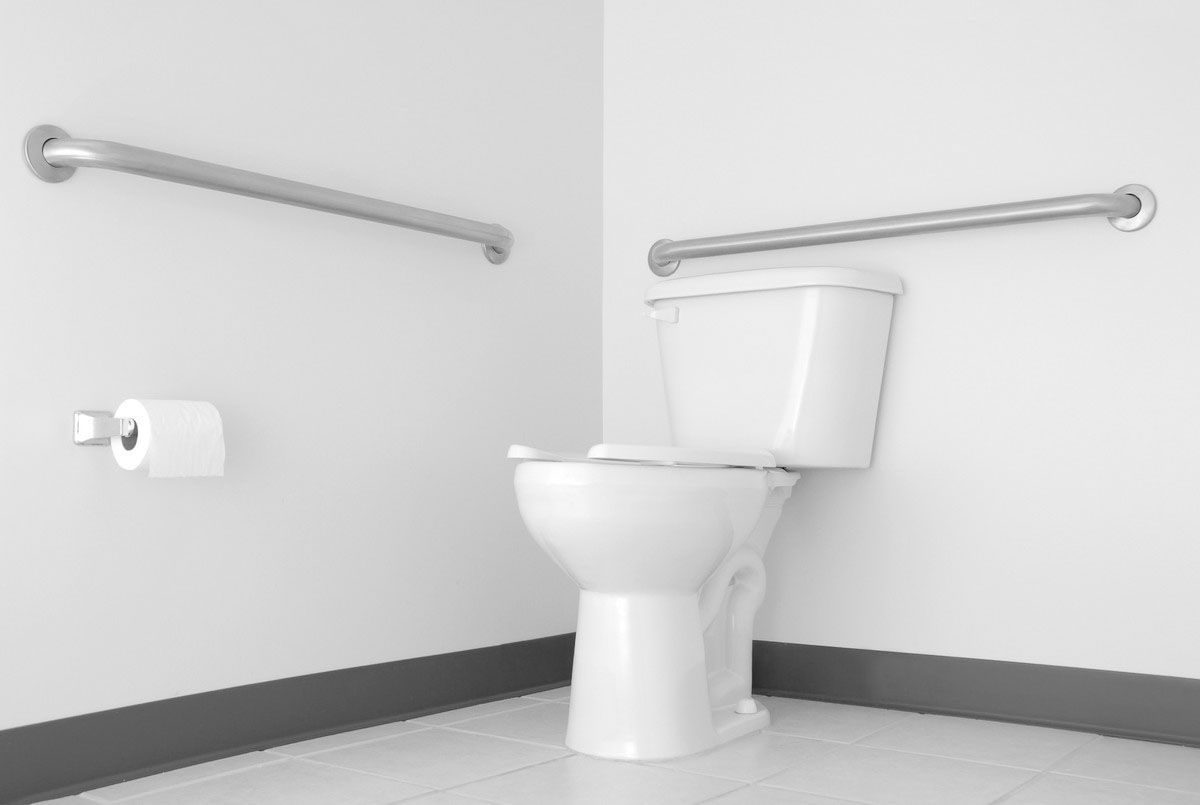
A toilet does not have to stop flushing before it needs service. A worn flapper or fill valve may keep water moving between the tank and bowl, while a compromised seal or loose connection may allow moisture to collect around the base. Weak flushing, slow refilling, frequent clogs, hissing, and movement during use add useful context. Taken together, these changes help distinguish an internal component problem from a drainage or installation issue.
Professional diagnosis connects the symptom to the parts responsible for filling, sealing, and flushing. If the rest of the fixture remains sound, replacing a worn component may restore normal operation without replacing the entire toilet. Cracks in the tank or bowl, repeated clogs, or unsuccessful prior repairs can point toward replacement instead. A licensed plumber can evaluate the fixture as a whole before recommending either approach.
5. Keep Water Heater Service on the Calendar
Water heater performance tends to decline in stages, making gradual changes easy to accept as normal. Hot water may run out sooner, fluctuate in temperature, appear discolored, or be accompanied by new sounds from the unit. Moisture nearby adds concern because it may indicate leakage from the heater or a connection. Taken together, these signs help distinguish a repairable problem from broader deterioration that may make replacement more appropriate.
Tank and tankless models have different service needs, while installation conditions, water quality, household demand, and manufacturer requirements can also affect performance. For that reason, a plumbing company should examine the complete unit before recommending repair or replacement. The evaluation can connect temperature or capacity changes to the component involved while identifying leaks or deterioration. This system-wide view is more useful than treating one symptom in isolation.
6. Arrange Routine Gas Line Maintenance
Gas line maintenance requires greater caution because a developing problem may not affect water service or produce an obvious visual warning. Corrosion, damaged connections, and deteriorated components can still be present when gas-fed equipment appears to operate normally. Periodic evaluation gives a certified plumber an opportunity to assess the line and identify needed maintenance or repairs. Because installation and service must follow applicable safety standards, this work does not belong in a household DIY plan.
Routine appointments are appropriate only when there is no indication of an active leak. A noticeable gas odor or another reason to suspect escaping gas changes the situation immediately and calls for emergency assistance rather than scheduled maintenance. Homeowners should not disturb the line or attempt to find the leak themselves. Because these concerns can arise at any hour, access to 24/7 emergency plumbing service is an important part of a household response plan.
7. Have Water Pressure Changes Evaluated
Changes in water pressure should be diagnosed before they are attributed to a single cause. A leak or restriction can weaken flow, but the supply conditions or existing pressure equipment may also be involved, especially when several fixtures are used at once. That range of possibilities is why choosing a booster pump solely from the symptom can lead to the wrong response. Measurements from the existing system help distinguish a repair need from a pressure problem that suitable equipment could address.
If a booster pump is appropriate, its capacity and controls must fit both the plumbing system and the household's usage patterns. Pressure measurements help the plumbing company match the equipment to those conditions before installation begins. Testing after installation then shows how steadily water reaches the fixtures the pump serves, establishing a useful performance reference. If pressure changes again, comparing current operation with that reference can help determine whether the pump or another part of the plumbing requires attention.
Build Maintenance Around the Entire Plumbing System
Reliable plumbing maintenance depends less on reacting to isolated symptoms than on understanding how those symptoms connect to the larger system. Timely diagnosis, appropriate cleaning, and service based on the system's condition can reduce the likelihood that minor changes become disruptive emergencies. Brix Plumbing provides licensed and journeyman plumbing services for homeowners, with 24/7 response available for urgent problems. Homeowners can contact us to schedule an evaluation for a maintenance concern or request assistance when a plumbing emergency cannot wait.